
Site Remediation ServicesThat Reach Closure.
A confirmed Phase II ESA finding, a regulatory order from Alberta Environment, or contamination surfacing in due diligence Envirolead manages the full remediation program, from site characterization through to RSC submission, across Alberta, British Columbia, Saskatchewan, and Manitoba.
Contamination Confirmed. Now What?
When a Phase II ESA comes back positive or when Alberta Environment and Protected Areas issues a directive the clock starts. Contaminated site remediation is the regulated process of reducing pollutant levels in soil, groundwater, or soil vapour to standards that allow the land to be safely used, sold, financed, or developed.
In Alberta, remediation is governed by the Environmental Protection and Enhancement Act (EPEA) and measured against Tier 1 and Tier 2 Soil and Groundwater Remediation Guidelines. Properties in British Columbia, Saskatchewan, and Manitoba are managed under equivalent provincial frameworks. Envirolead handles the full process from the first characterization borehole to the final regulatory submission across all four provinces.
The method recommended is always the one the site evidence supports. Not the fastest to mobilize. Not the easiest to invoice. The one that reaches the regulatory endpoint with the least unnecessary cost and disruption to your project or transaction.
Talk to Our TeamCommon Triggers for Remediation
- ✓Phase II ESA confirms exceedances above Alberta Tier 1 or Tier 2 guidelines
- ✓Regulatory order or directive under EPEA or equivalent provincial legislation
- ✓Lender or purchaser requires a clean Record of Site Condition to proceed
- ✓Pre-development due diligence reveals historical contamination in Calgary, Edmonton, or elsewhere
- ✓Proactive liability resolution before listing or transacting a property
- ✓PSAB 3260 environmental liability reporting for Alberta municipalities and counties
End-to-End Remediation Management
Every Envirolead remediation project follows a structured, documented sequence from the first site investigation through to confirmed regulatory closure. No shortcuts. No assumptions.
Site Characterization & Delineation
Soil borings, monitoring wells, groundwater sampling, and accredited lab analysis establish the full extent of contamination. Results are interpreted against Alberta Tier 1/Tier 2 guidelines and applicable provincial standards across BC, Saskatchewan, and Manitoba.
Remediation Action Plan (RAP)
A site-specific RAP defines the remedial objective, selected technology, implementation sequence, and verification criteria for closure. Prepared for Alberta Environment and Protected Areas or the applicable provincial regulator written to avoid the revision rounds that delay projects and extend liability exposure.
Implementation & Field Management
Fieldwork executed in accordance with the approved RAP, provincial environmental legislation, and OHS requirements. Envirolead manages qualified contractors and maintains continuous field documentation throughout the remediation program.
Verification & Regulatory Closure
Post-remediation sampling confirms contaminant concentrations meet the agreed endpoint. In Alberta, Envirolead prepares and submits the Record of Site Condition (RSC) under EPEA Section 35. Equivalent provincial closures in BC, Saskatchewan, and Manitoba are handled to the same standard.
Matched to Your Site Not the Easiest Option Available
Every method is evaluated against contaminant type, depth, lateral extent, site access, applicable Alberta or provincial guidelines, and your project timeline. The recommendation follows the evidence always.
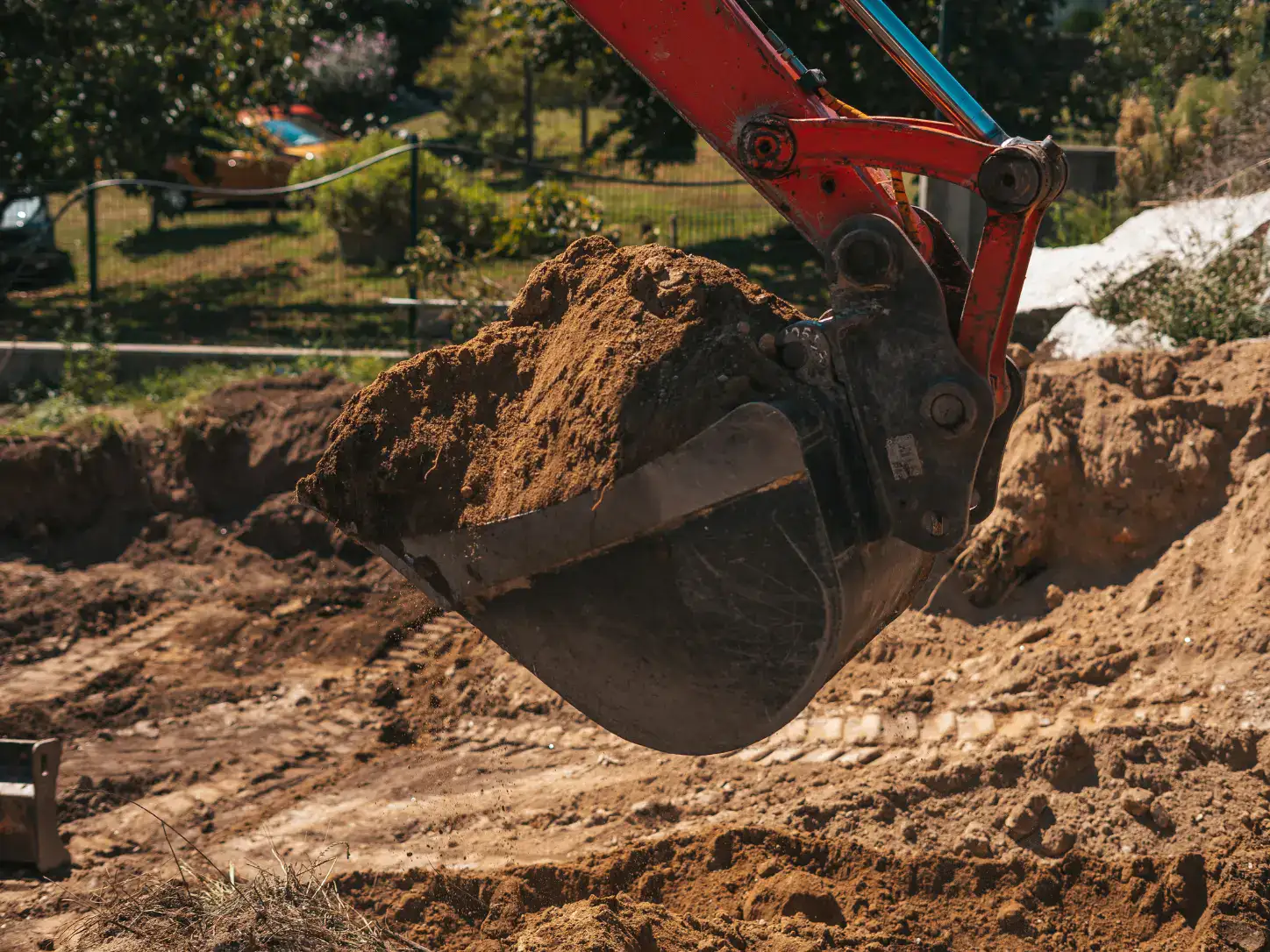
Excavation & Off-Site Disposal
The most direct path to closure for shallow, well-defined contamination. Impacted soil is excavated under managed conditions, transported by licensed carrier, and disposed of at an approved Alberta or provincial facility. Backfill, compaction, and verification sampling complete the closure. Common on Calgary and Edmonton commercial properties with UST or petroleum hydrocarbon impacts.
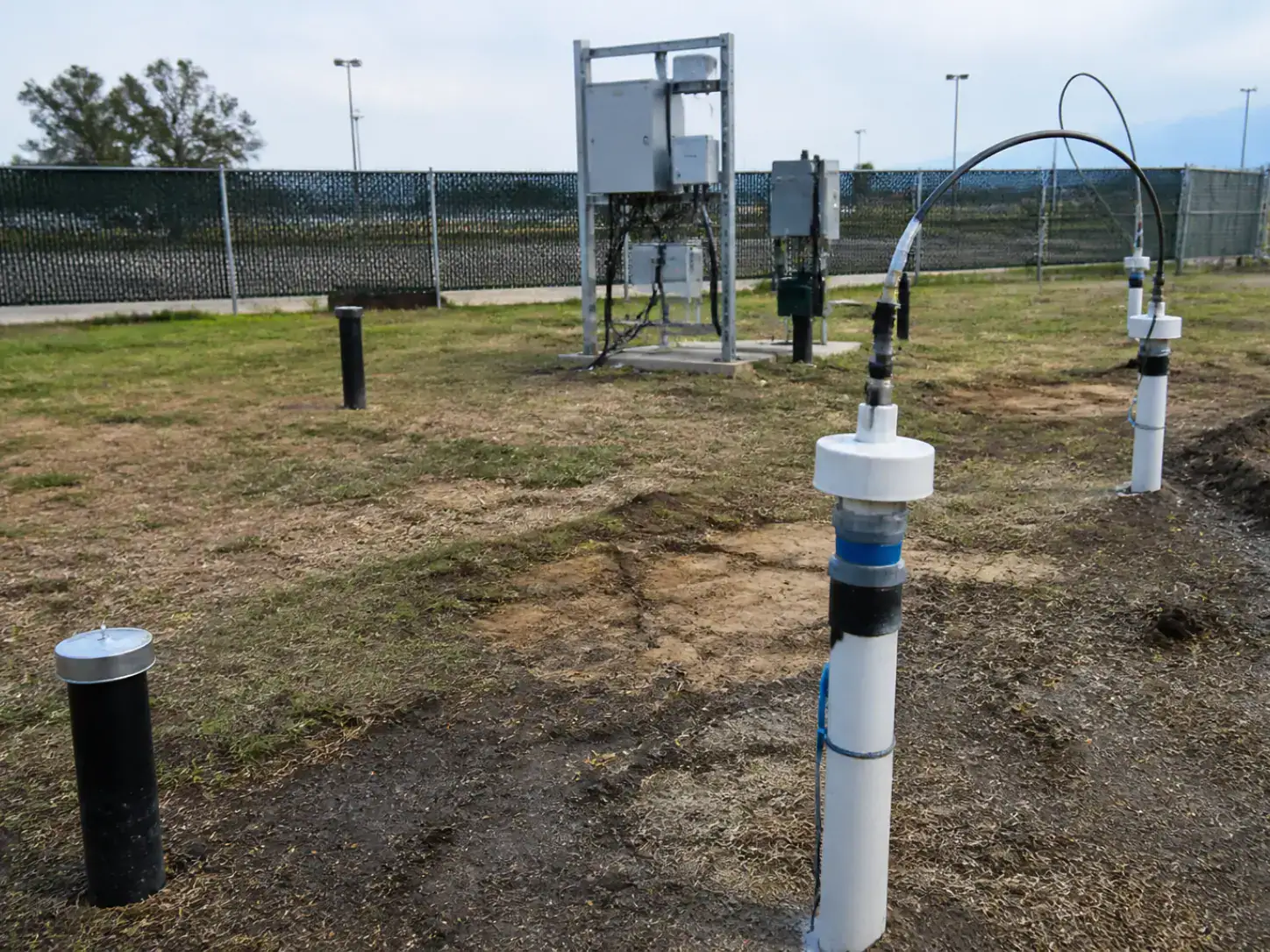
In-Situ Bioremediation
Microbial populations break down petroleum hydrocarbons directly in the subsurface no excavation required. Site disruption and cost are significantly lower than physical removal, making this approach well-suited to Alberta and Western Canada properties where PHC concentrations allow biodegradation to reach the Tier 1 or Tier 2 endpoint within an acceptable timeframe.
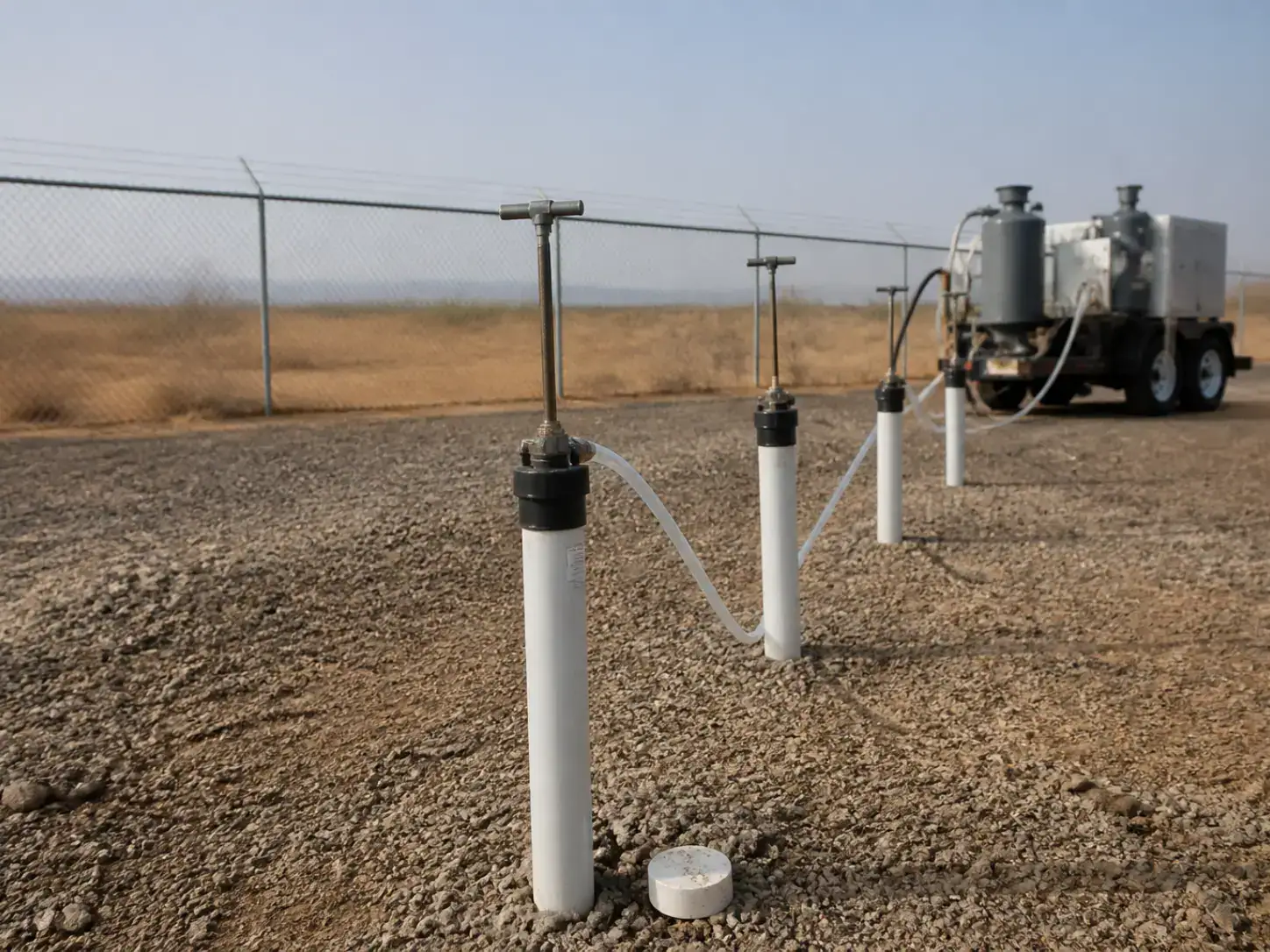
Soil Vapour Extraction (SVE)
Extraction wells pull volatile organic compounds BTEX components from petroleum products, chlorinated solvents from Alberta and BC industrial sites from the unsaturated zone for surface treatment. Frequently combined with groundwater pump-and-treat when both vapour-phase and dissolved-phase contamination require concurrent management.
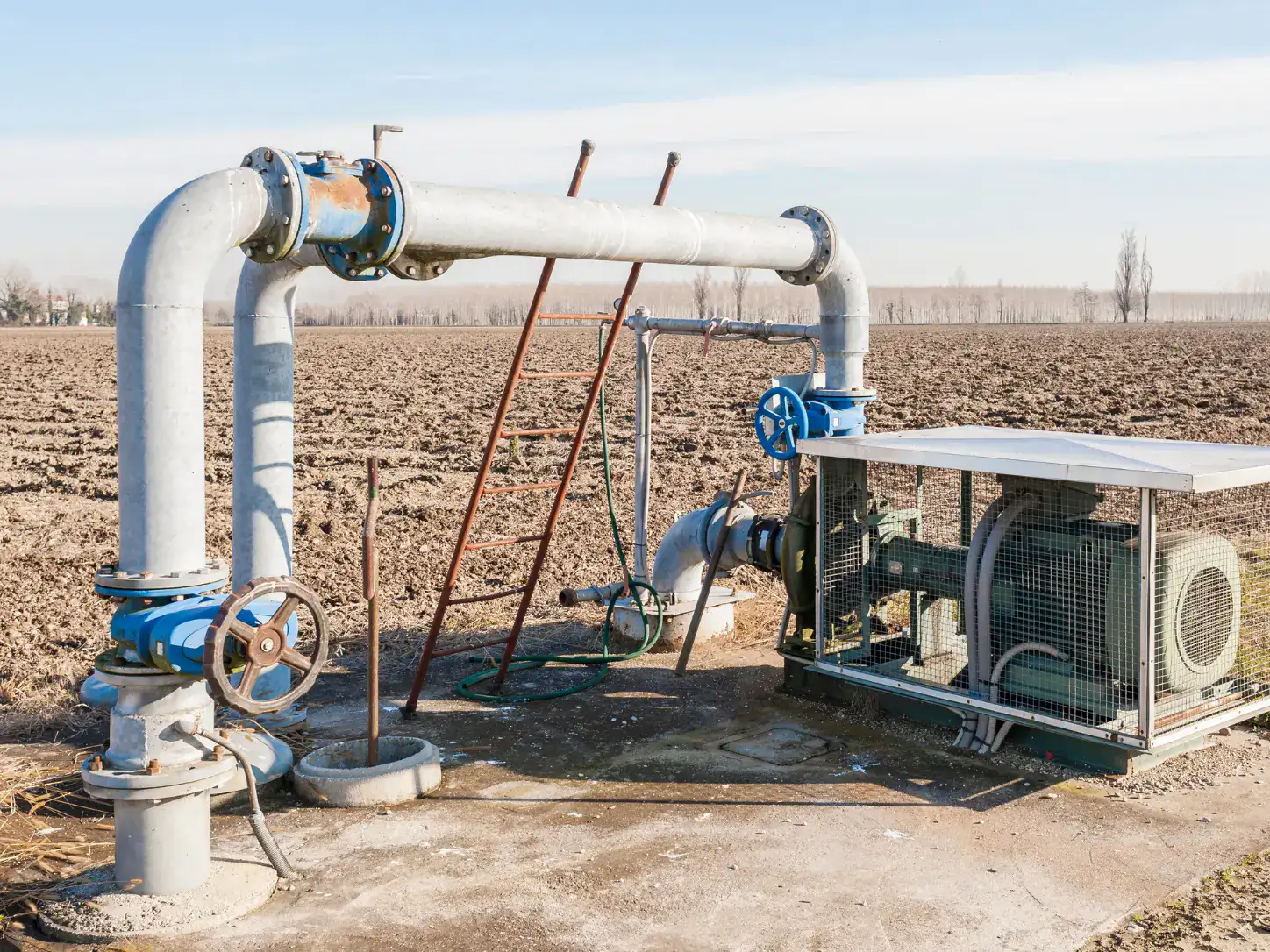
Groundwater Pump-and-Treat
Impacted groundwater is extracted via dedicated wells, treated using carbon adsorption, air stripping, or filtration based on contaminant type, then re-injected or discharged under permit. Applied where dissolved-phase contamination threatens off-site receptors in Alberta or where provincial regulators in BC, Saskatchewan, or Manitoba require active plume management.
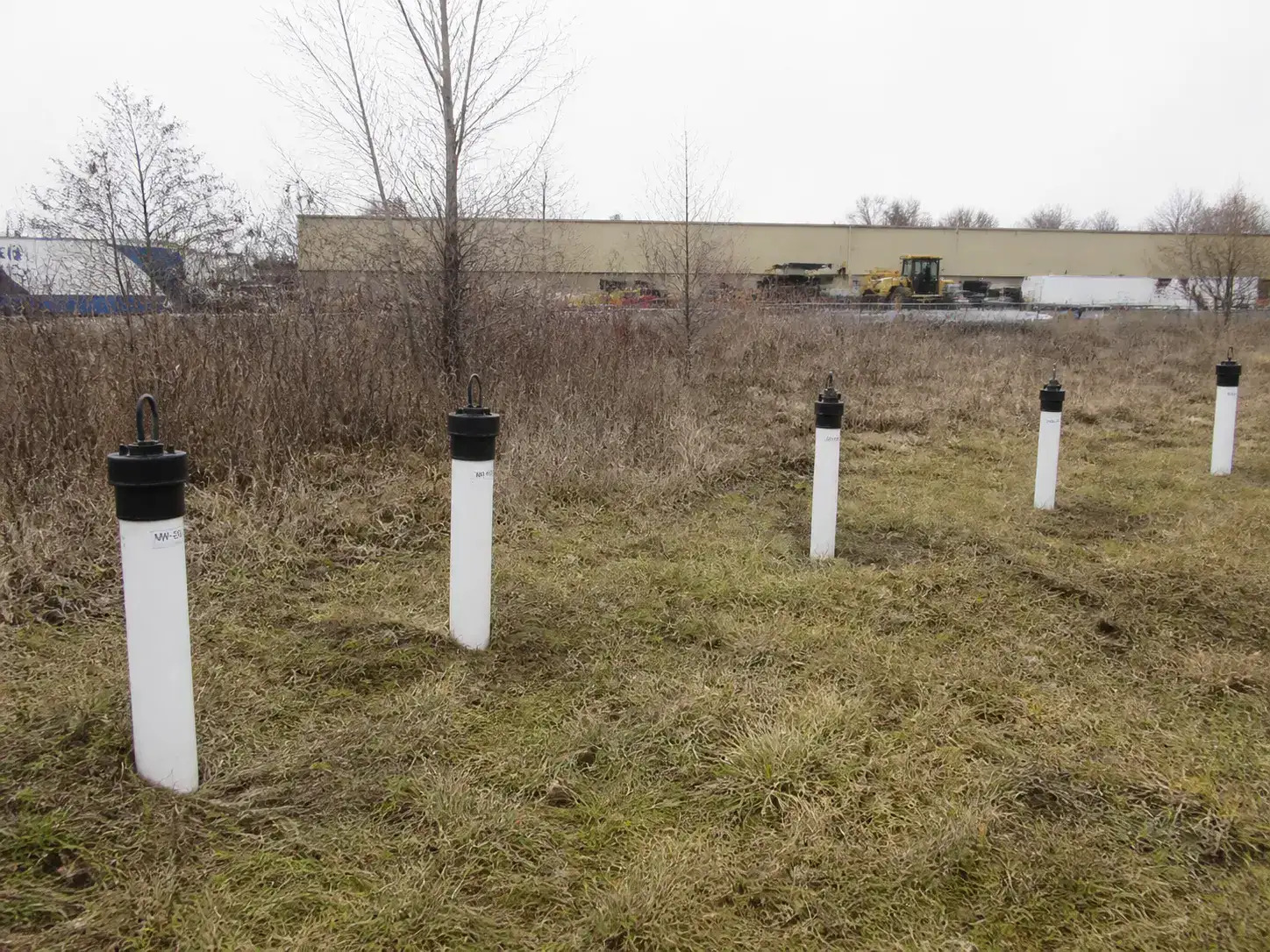
Monitored Natural Attenuation (MNA)
Where site conditions and regulators permit, natural processes biodegradation, dilution, dispersion can reduce residual contamination to acceptable levels over time. MNA is never recommended as a default when active methods fail. It requires documented, measurable evidence of attenuation rates and formal regulator acceptance before Envirolead will apply it to any Alberta, BC, Saskatchewan, or Manitoba site.
Serving Property Owners & Developers Across Western Canada
From urban commercial sites in Calgary and Edmonton to rural agricultural land in Saskatchewan and Manitoba Envirolead delivers remediation programs that meet provincial regulatory standards wherever the site is located.
Calgary
Commercial & industrial sites, fuel station closures, brownfield redevelopment, RSC submissions
Edmonton
Industrial corridor sites, pre-development contamination, Phase II through to regulatory closure
Alberta
EPEA compliance, Tier 1 & Tier 2 remediation, oil & gas sector, rural & agricultural properties
British Columbia
BC contaminated sites regulation, site investigations, remediation programs, closure documentation
Saskatchewan
Agricultural contamination, PHC & pesticide sites, provincial regulatory compliance
Manitoba
Commercial & industrial remediation, groundwater management, regulatory closure
Contaminants Across the Full Spectrum
From petroleum-impacted fuel station sites in Calgary to industrial solvent releases in British Columbia and agricultural chemical contamination in Saskatchewan and Manitoba Envirolead has managed remediation programs across every contaminant type common to Western Canada.
Petroleum Hydrocarbons (PHCs)
F1–F4 fractions. Fuel stations, USTs, bulk storage, pipeline releases. The most frequently encountered contaminant type on Alberta commercial and industrial properties.
BTEX Compounds
Benzene, toluene, ethylbenzene, xylene. High groundwater mobility and significant health implications at low concentrations common in Calgary and Edmonton fuel-impacted sites.
Chlorinated Solvents
PCE, TCE. Dry cleaning operations, industrial degreasing across Alberta and BC. DNAPL behaviour presents specific characterization challenges.
Heavy Metals
Lead, arsenic, chromium. Industrial, manufacturing, and mining-adjacent properties in Alberta, BC, and beyond.
PAHs
Polycyclic aromatic hydrocarbons on urban brownfields, former manufactured gas plant sites, and creosote-impacted properties across Western Canada.
Agricultural Chemicals
Herbicides, pesticides, nitrate contamination on rural properties in Saskatchewan, Manitoba, and Alberta.
Every Client Dealing with Contamination
The common thread across every Envirolead remediation client is straightforward contamination is blocking something valuable, and it needs to be resolved by a team that understands the technical, regulatory, and commercial sides of the problem.
Property Developers & Landowners
Contamination found during pre-development due diligence in Calgary or Edmonton does not end a project but the remediation timeline needs to be understood early and managed precisely. Envirolead works alongside development teams from the first Phase II through to RSC confirmation.
Commercial & Industrial Owners
Fuel stations, transportation depots, processing plants, and manufacturing facilities across Alberta and BC carry environmental liability that is often not visible at the surface. Envirolead helps owners quantify what they have and build a realistic, cost-appropriate path to resolution.
Municipalities & Counties
Brownfield redevelopment across Alberta, Saskatchewan, and Manitoba requires PSAB 3260 environmental liability reporting alongside the technical remediation work. Envirolead has direct experience with municipal clients and the public sector accountability requirements that govern these programs.
Lenders & Legal Counsel
Financial institutions and solicitors acting on Western Canada commercial real estate transactions need environmental clearance that is complete and defensible. Envirolead's reports and RSC submissions are structured to reduce review rounds and get files to close efficiently.
What Clients Across Western Canada Rely On
Regulatory Submissions That Hold Up First Time
Every RSC and completion report is reviewed internally before it reaches Alberta Environment and Protected Areas or any provincial authority. Revision requests slow projects and increase cost. Envirolead's documentation is built to the submission standard that avoids them not as a policy statement, but as an operating standard applied on every file.
Honest Method Recommendations Every Time
When excavation is the appropriate call for a Calgary or Edmonton property, that is what gets recommended. When an in-situ approach reaches the same Tier 1 or Tier 2 endpoint at lower cost, that is the honest recommendation. Envirolead's business runs on repeat clients and referrals across Alberta and Western Canada not on maximizing individual project scope.
One Team, Full Accountability
From the first characterization borehole to the last regulatory submission one point of contact, one team accountable for the outcome. No handoffs between departments, no sub-consultant chains to manage. Clients across Alberta, BC, Saskatchewan, and Manitoba work with the same professionals from investigation through to confirmed closure.
Hands-On Experience Across All Site Types
Oil and gas properties, urban brownfields, agricultural land, industrial sites, municipal infrastructure the professionals who sign off on Envirolead's remediation programs have direct experience across the full range of site types and contaminant scenarios that Alberta and Western Canada present. That depth shows up in the field decisions and in the quality of the regulatory documentation.
Frequently Asked Questions
It depends on the method and contamination extent. Excavation on a well-defined site can reach closure in weeks. In-situ treatment programs typically run months to years. Envirolead gives clients a realistic timeline based on actual site conditions not an estimate designed to win the work.
Three common triggers: a Phase II ESA confirming exceedances above Tier 1 or Tier 2 guidelines; a regulatory order under EPEA; or a lender or purchaser requiring a clean Record of Site Condition as a transaction condition.
Yes from post-remediation verification through to compliant filing with Alberta Environment and Protected Areas under EPEA Section 35. Equivalent provincial closures in BC, Saskatchewan, and Manitoba are managed to the same documentation standard.
Sometimes depending on contamination type, regulatory position, and terms negotiated between parties. Envirolead can scope phased programs that allow a transaction to proceed with documented remediation obligations carried forward. Contact us to discuss your specific situation.
Tier 1 standards are conservative generic values by land use straightforward to demonstrate. Tier 2 standards are site-specific values from a risk assessment, which can significantly reduce the remediation requirement on complex sites. Tier 2 requires more technical work and regulator acceptance.
Ready to Move Your Site Toward Closure?
Whether it is a Phase II ESA finding in Calgary, a regulatory order in Edmonton, or a contamination issue holding up a transaction anywhere across Alberta, BC, Saskatchewan, or Manitoba contact Envirolead for a straight assessment of what resolution actually takes.
Request a Remediation Assessment